Dry Eye Clinic – Inner West, Sydney

Relief from
irritated, dry eyes
starts here.

We offer advanced dry eye diagnosis and treatment options in Inner West Sydney – including the latest generation Lumenis Optilight IPL device. We believe dry eye is more than an eye condition – it's a whole-body health issue. Our approach goes beyond the eye, incorporating lifestyle, nutrition and wellness to deliver care that is as complete as it is effective.

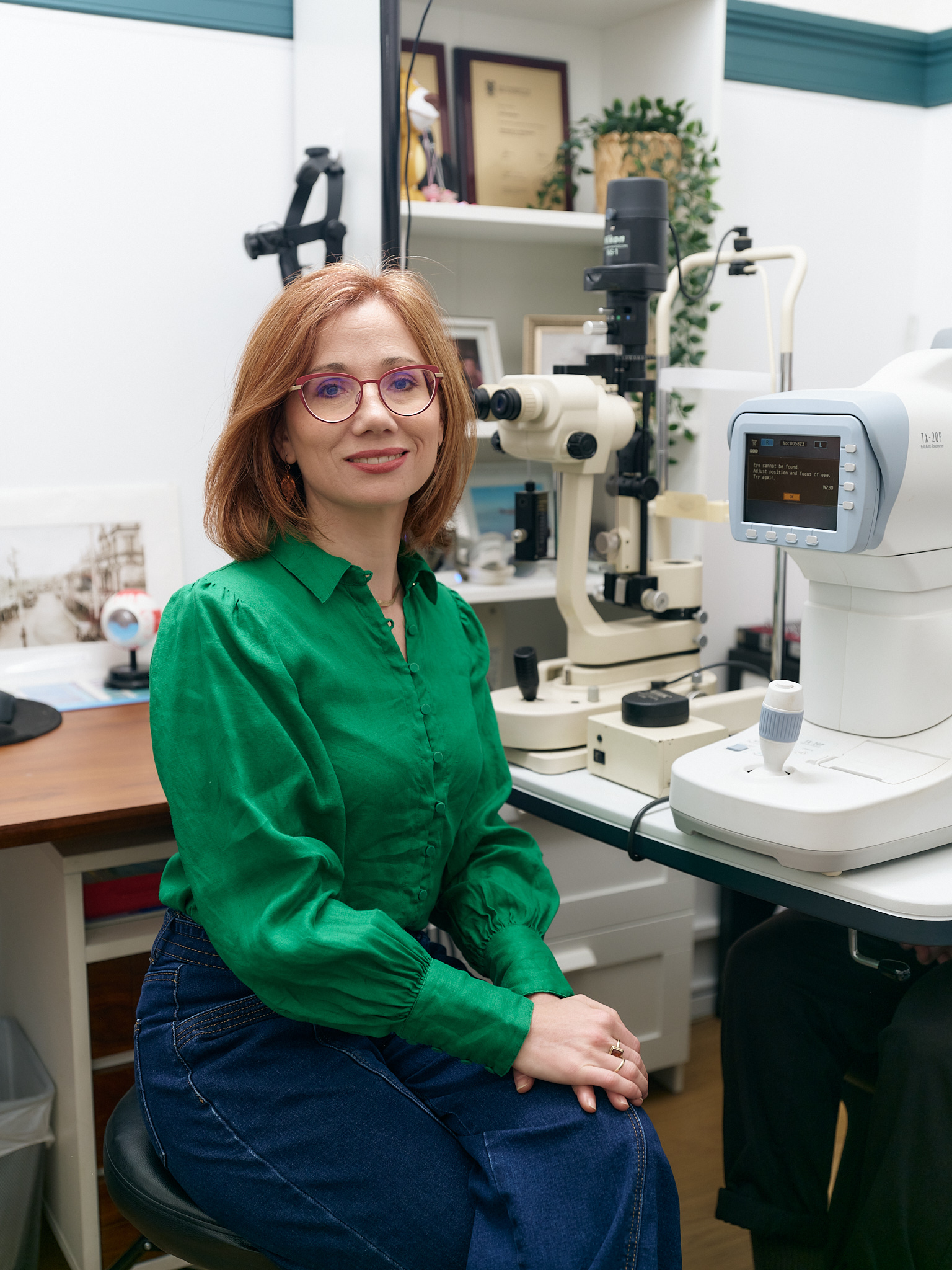
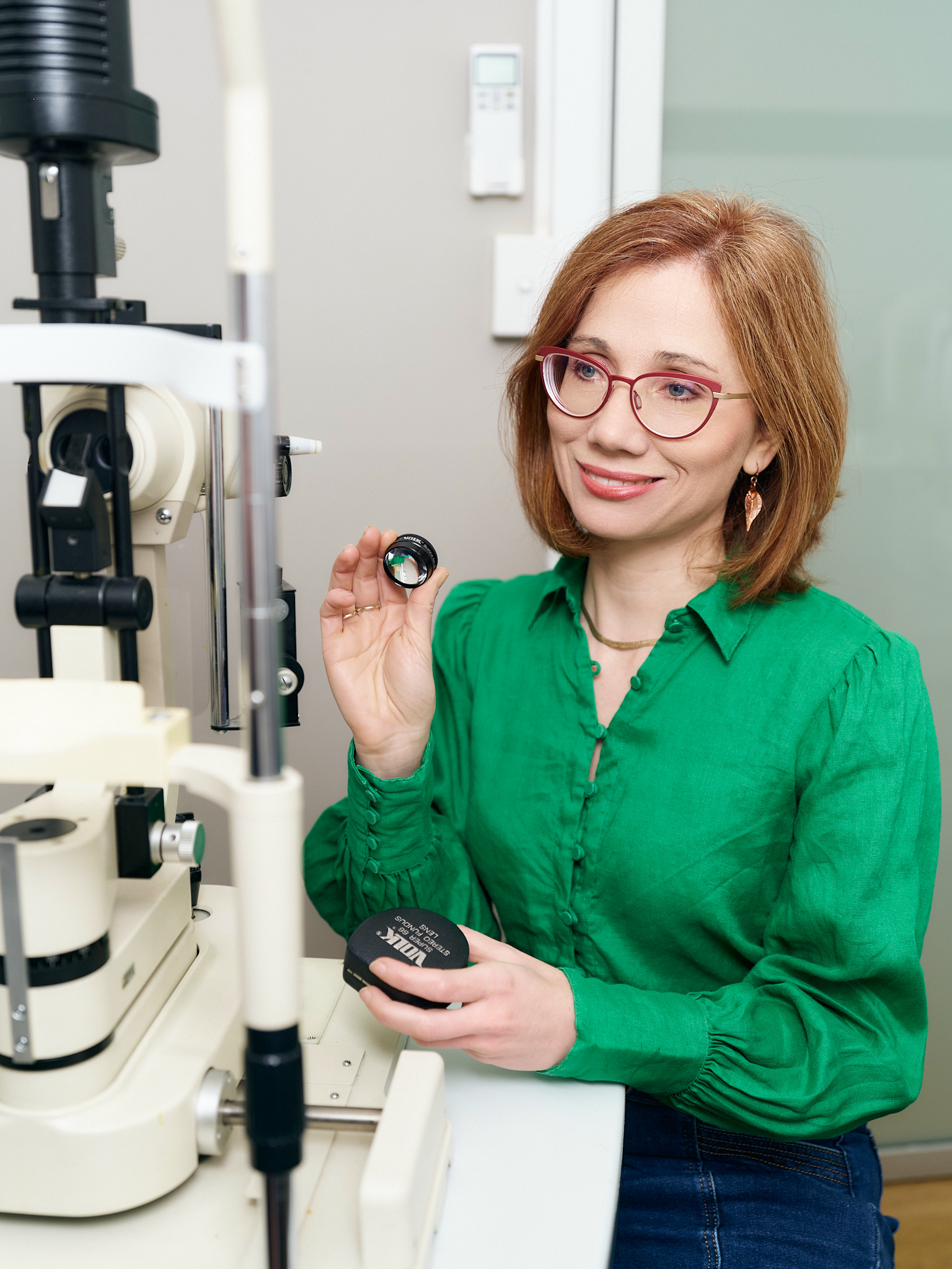
Dr Sophia Bryskine, Optometrist

Common Dry Eye Symptoms

Burning or stinging eyes Gritty or sandy sensation Chronic eye redness Blurred or fluctuating vision Watery, overflowing tears Light sensitivity (photophobia) Digital eye strain & screen fatigue Contact lens discomfort Morning eye discomfort Meibomian gland dysfunction Eyelid inflammation (blepharitis) Post-LASIK dry eye
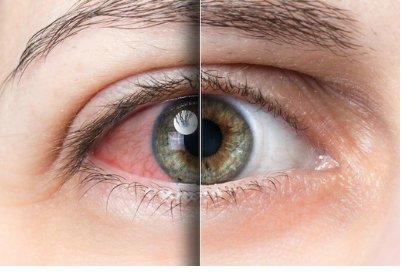
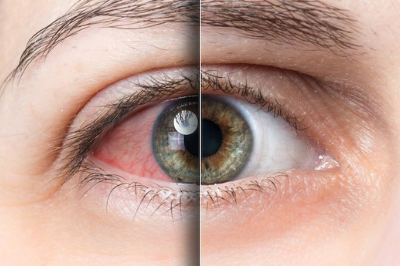
Dry eye before and after treatment

More than just
an inconvenience

Dry Eye Disease affects around 1 in 5 Australians and is one of the most undertreated eye conditions. It's caused by either insufficient tear production or poor tear quality – most commonly due to Meibomian Gland Dysfunction (MGD), where the tiny oil-producing glands in your eyelids become blocked or damaged.

Left untreated, dry eye can worsen over time and significantly impact your quality of life. The good news: with the right diagnosis and treatment plan, lasting relief is absolutely achievable.

1 in 5
Australians affected by dry eye
86%
of cases involve MGD as a root cause
90%+
of IPL patients report improved comfort*

*Based on published clinical literature on IPL for dry eye disease. Individual results vary.

Because you deserve
real answers, not quick fixes

If you've tried the drops, the warm compresses, the supplements a friend swore by – and you're still finishing each day with eyes that burn, sting and water – you're not imagining it, and you're not alone. Too often these symptoms are met with the same generic advice you've already tried, with no real investigation into why they're happening. We built our Complete Dry Eye Care Model because lasting relief starts with a proper diagnosis, not another suggestion to use eye drops.

01

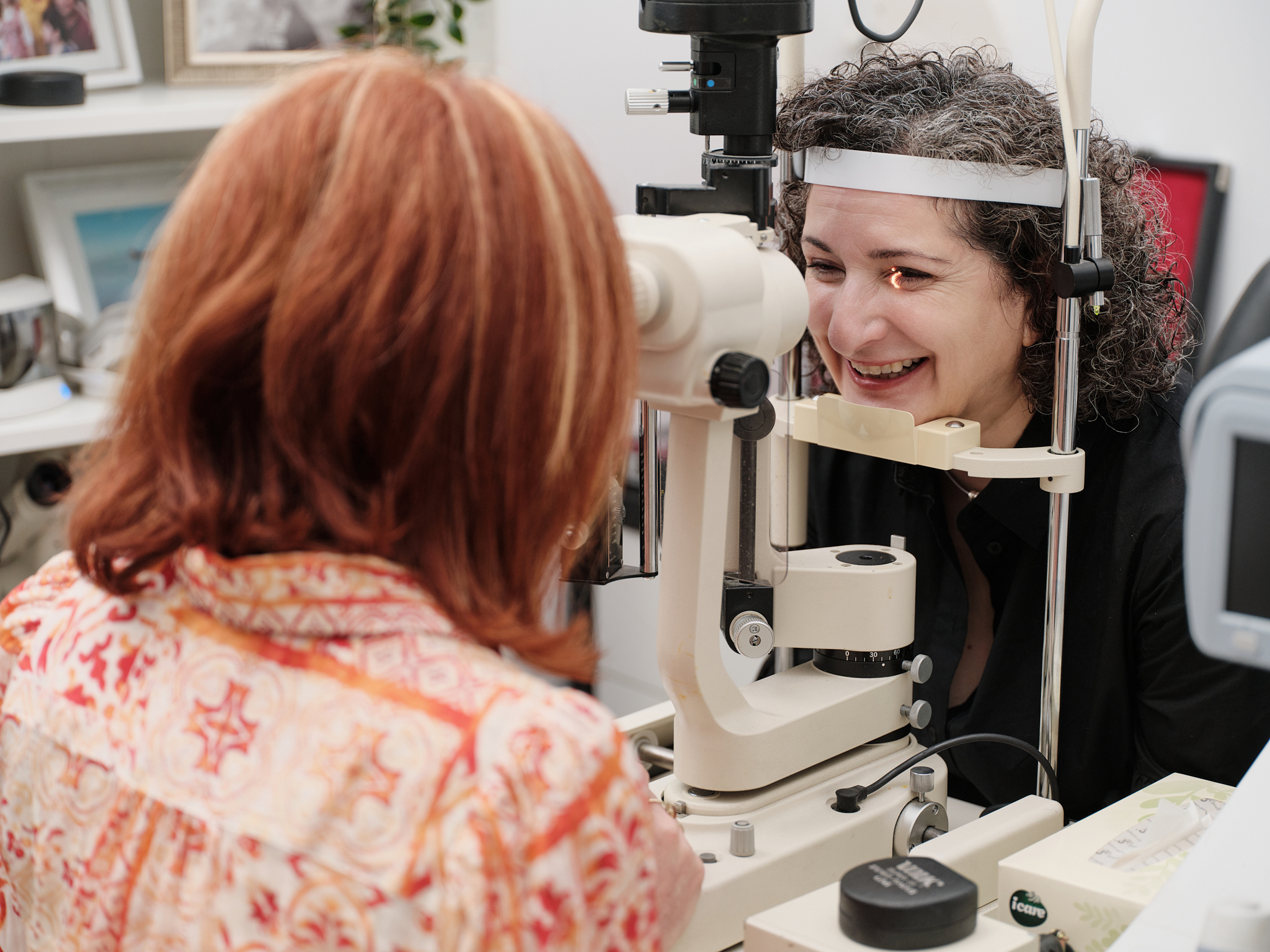
Bespoke Diagnostic Assessment

A thorough investigation into every layer of your tear film and gland function, accounting for the unique factors at play for you. No guessing, no generic advice – just a clear, individualised picture of what's actually happening with your eyes.

Bespoke diagnostic assessment
02

Demystifying Your Dry Eye

We make sure you truly understand what's happening with your eyes and why. Replacing years of confusion with clarity takes away the overwhelm so many patients feel after being told it's "just dry eye."

Demystifying your dry eye
03

Your Personalised Plan

Sophia builds a treatment plan around your specific symptoms, your tear film and your stage of life, based on advanced clinical diagnostics – never a one-size-fits-all approach.

Your personalised treatment plan
04

Holistic Lifestyle Review

Your eyes don't exist in isolation. We look at your environment, screen time, nutrition and daily habits to understand the full picture behind your symptoms.

Holistic lifestyle review
05

Continuous, Evolving Care

Dry eye isn't a one-and-done fix. Ongoing review and support mean your plan evolves as your eyes – and your needs – do, for lasting comfort and quality of life.

Continuous, evolving care

"Real understanding leads to real, lasting relief. While individual results will always vary, I'm committed to helping every patient get to a better place."

— Sophia Bryskine, Principal Optometrist

Finally, relief from
menopausal dry eye

If your eyes have become noticeably drier, more irritated or harder to manage since perimenopause or menopause began, you're not imagining it – and it isn't simply "getting older." Hormonal changes during the menopause transition are increasingly recognised as a genuine contributor to chronic dry eye disease. A 2025 study presented at The Menopause Society's Annual Meeting found dry eye disease present in 57% of menopausal women, compared with 53% of premenopausal women.* This sits alongside a much longer-documented pattern – dry eye disease is diagnosed at nearly twice the rate in women as in men, with the gap widening substantially after age 50.† For many of our patients aged 50 and over, the standard advice – another brand of drops, a different supplement – hasn't worked, because it never addressed the hormonal and gland-function changes actually driving their symptoms.

*Yankelevich et al., presented at The Menopause Society Annual Meeting, 2025. †Schaumberg et al., Women's Health Study (2003) and Physicians' Health Study (2009), as compared in Dry Eye Disease: Consideration for Women's Health (2019). Hormonal factors affect everyone differently – a personalised assessment is the only way to confirm what's driving your individual symptoms.

Perimenopausal dry eye Menopausal dry eye disease Hormonal dry eye relief Post-menopausal eye dryness Dry eye after 50 Burning, gritty eyes in midlife
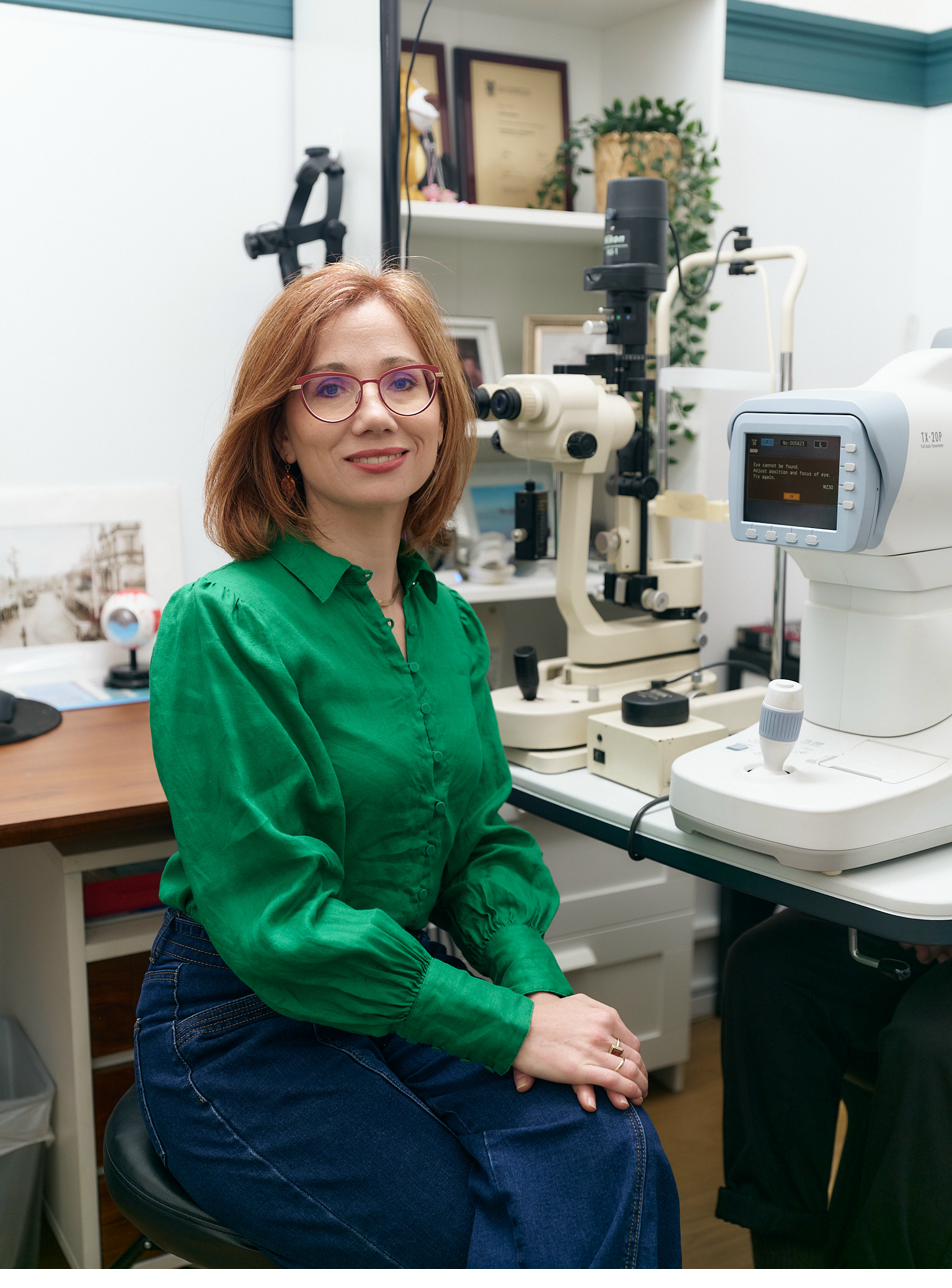
Woman in midlife finding relief from menopausal dry eye

This is exactly why our Complete Dry Eye Care Model begins with a bespoke diagnostic assessment rather than another generic recommendation – because at this stage of life, your treatment plan needs to account for what's actually changed.

Does menopause cause dry eyes?
Menopause doesn't directly cause dry eye disease, but the hormonal changes involved are a well-documented contributing factor. Declining oestrogen and androgen levels can affect the meibomian glands and tear film, making dry eye more common and often more severe during perimenopause and after menopause.
Are women more likely to develop dry eye than men?
Yes. Research comparing the Women's Health Study and Physicians' Health Study found dry eye disease diagnosed at nearly twice the rate in women as in men – an estimated 3.25 million women compared with 1.68 million men in the United States – with the gap widening substantially after age 50, largely due to hormonal factors.
Why are my eyes so much drier since menopause?
Hormonal shifts during menopause can reduce the quality and quantity of the oils your eyes produce to keep tears stable. This often shows up as burning, grittiness, fluctuating vision or increased sensitivity to screens and wind – symptoms that standard lubricating drops alone may not resolve.
Can HRT help with menopausal dry eye?
Hormone replacement therapy affects each person differently, and its impact on dry eye symptoms varies. It isn't a substitute for a dedicated dry eye assessment. We work alongside whatever hormonal treatment you're using and focus directly on your tear film and gland function.
What is the best treatment for dry eyes after 50?
There's no single best treatment – it depends on what's driving your symptoms. For many women over 50, especially where Meibomian Gland Dysfunction is involved, a combination of IPL therapy, lid hygiene and a personalised home-care plan – built on proper diagnostic imaging – offers the most lasting relief.
Is chronic dry eye after menopause permanent?
Not necessarily. Dry eye disease is a chronic, ongoing condition, but it's highly manageable with the right diagnosis and treatment plan. Many patients who felt they'd "tried everything" find real, lasting improvement once the actual cause of their symptoms is properly identified and treated.
Book a Dry Eye Assessment

Precision tools for
precise results

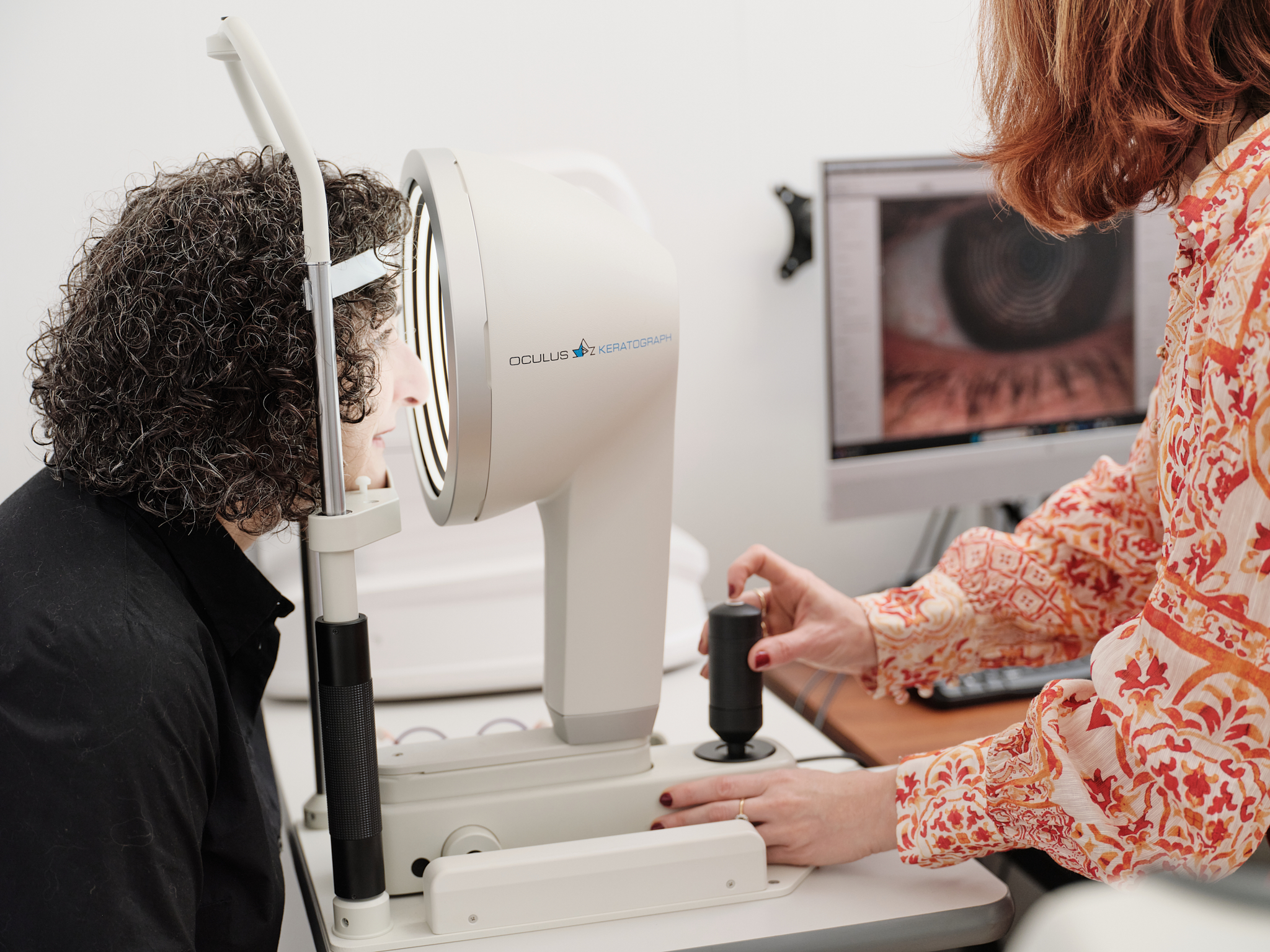
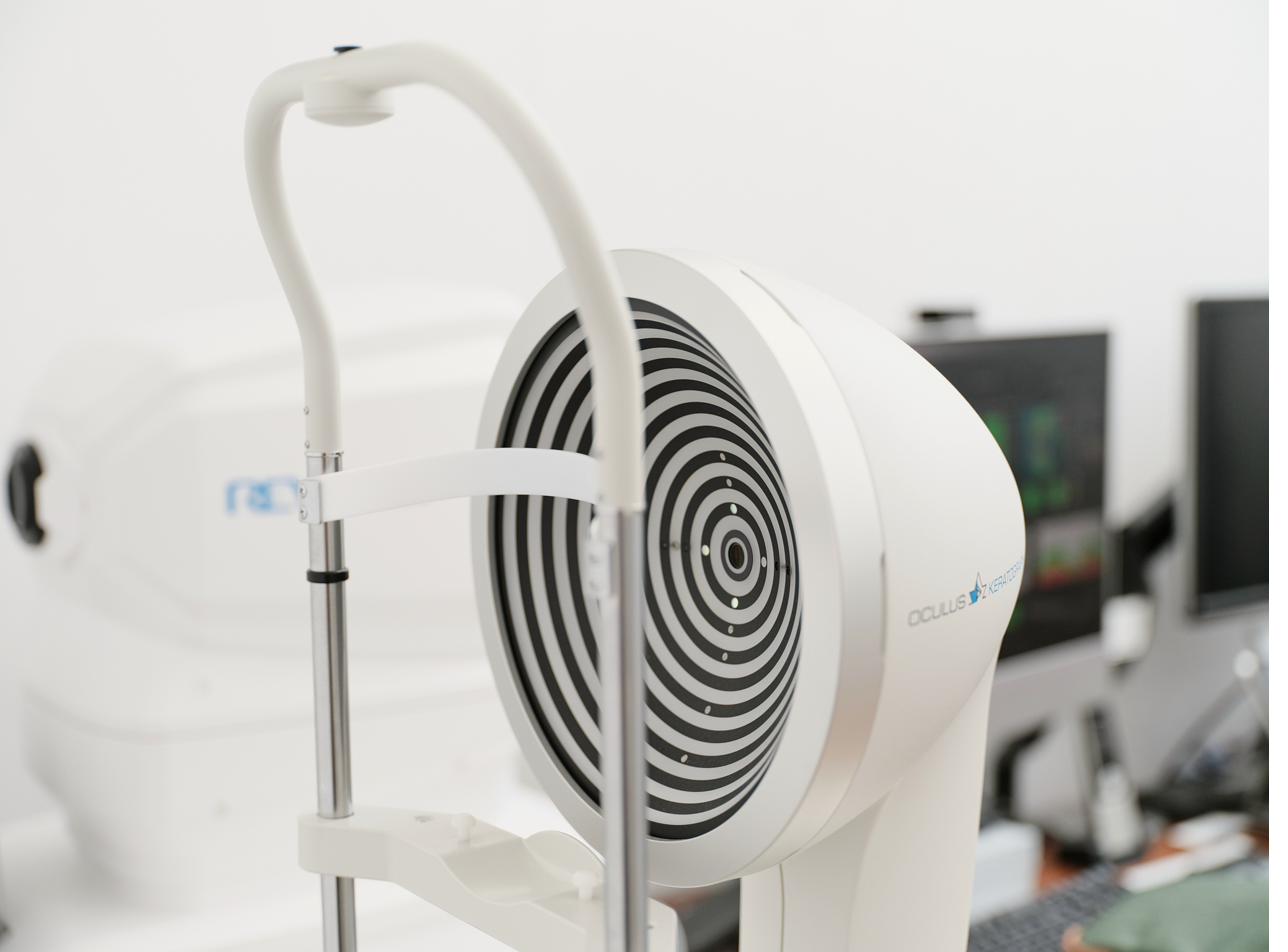
OCULUS Keratograph K5

OCULUS Keratograph K5

The OCULUS Keratograph K5 is one of the most comprehensive dry eye imaging systems available today. It measures tear meniscus height, non-invasive tear break-up time, meibomian gland imaging, and lipid layer grading – all without touching your eye.

The K5 is also unique in its ability to photograph and grade the meibomian glands directly – revealing structural damage that would otherwise go undetected. This level of insight is what separates a truly personalised treatment plan from a generic one.

Patients often tell us that seeing their own tear film and gland structure on screen for the first time makes everything click – suddenly the condition makes sense, and so does the path to treating it.

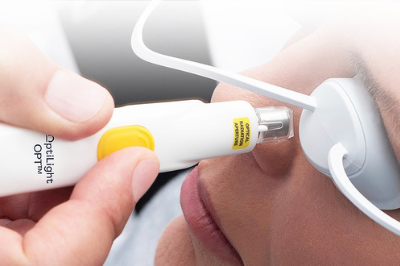
Lumenis Optilight IPL

Lumenis Optilight IPL

Not all IPL devices are equal. The Lumenis Optilight is the only IPL device FDA-cleared specifically for dry eye disease – a meaningful clinical distinction.

MGD is a disease of the eyes and the face. The meibomian glands are influenced by inflammation across the entire periocular region – which is why treating both the eyelids and the surrounding facial skin is important for optimal results.

The aim is restored meibomian gland function and improved tear quality – addressing the underlying cause, not just the symptoms.

Dr Sophia Bryskine, Principal Optometrist

Dr Sophia Bryskine
Principal Optometrist

With over 20 years of private practice experience, Sophia has a genuine interest in dry eye management. She invests in advanced diagnostic technology and stays current with developments in the field to bring her patients the latest in dry eye care.

20+ years private practice experience, now serving the Inner West Sydney community
Lumenis Optilight IPL certified practitioner
OCULUS Keratograph K5 advanced dry eye diagnostics
Co-manages complex cases with leading Sydney ophthalmologists
Up to 60-minute personalised consultations – never rushed

"Dry eye is a chronic condition, but it is highly treatable. My goal is to get every patient to a point where their eyes feel comfortable every single day."

Your journey to
comfortable eyes

1

Initial Assessment

Comprehensive dry eye evaluation using the Keratograph K5. Up to 60 minutes.

2

Treatment Plan

Personalised protocol – IPL, in-office treatment, and home care – based on your results.

3

IPL Sessions

Typically 4 treatments over 3 months. Quick, comfortable, no downtime.

4

Ongoing Care

Review appointments and a long-term maintenance plan to keep your eyes feeling great.

Frequently asked
questions

Is Optilight IPL painful?
Most patients describe IPL as a warm sensation with a mild snap – very tolerable. We apply a cooling gel and use protective eye shields. There is no downtime and you can return to your day immediately after treatment.
How many IPL sessions will I need?
A standard course consists of 4 sessions spaced 3–4 weeks apart. Many patients notice improvement after the second session. Maintenance treatments may be recommended every 6–12 months to sustain results.
Is dry eye treatment covered by Medicare or private health insurance?
The initial dry eye consultation is claimable with Medicare. IPL therapy is generally not covered by Medicare but may attract a private health fund rebate depending on your policy. We'll provide all the relevant codes to make claiming easy.
I've been using eye drops for years – can you still help?
Yes. Eye drops address the symptoms but not always the underlying cause. Our diagnostic imaging will identify why your eyes are dry and we'll work to address that root cause directly, which may help reduce reliance on drops over time.
How do I know which lubricating eye drops are right for me?
Not all eye drops are created equal – and using the wrong type for your particular dry eye can actually make things worse. The right drop depends on your specific dry eye type and tear film composition. At your assessment we will make a specific recommendation tailored to your needs.
Am I suitable for IPL therapy?
IPL is suitable for most skin types and adults with Meibomian Gland Dysfunction. It is not recommended for patients who are pregnant, have active skin conditions in the treatment area, or take certain medications that cause photosensitivity. Sophia will assess your suitability at your initial consultation.
Where are you located and how do I book?
We are located at 5 Lackey Street, Summer Hill, NSW 2130 – right in the heart of Sydney's Inner West, with easy parking and close to Summer Hill train station. We serve patients from across the Inner West including Ashfield, Leichhardt, Marrickville, Newtown, Haberfield, Petersham, Dulwich Hill and surrounds. Book online or call us on (02) 9716 8548.

Dry eye treatment for
your neighbourhood

Complete Dry Eye Care is located at 5 Lackey Street, Summer Hill — right in the heart of Sydney's Inner West, with easy street parking and just minutes from Summer Hill train station. We welcome patients from across the region seeking advanced dry eye diagnosis, Lumenis Optilight IPL therapy, meibomian gland treatment, and personalised ongoing care.

Summer HillOur home clinic
Ashfield5 min drive
Leichhardt8 min drive
Marrickville8 min drive
Newtown10 min drive
Haberfield6 min drive
Petersham5 min drive
Dulwich Hill5 min drive
Stanmore7 min drive
Annandale8 min drive
Burwood10 min drive
Strathfield10 min drive

Travelling from further afield? We treat patients from across Sydney — contact us to find out more.

Ready to finally feel
comfortable?

Book your comprehensive dry eye assessment with Sophia today. In one hour, you'll have a clear picture of what's happening with your eyes – and a plan tailored to you.

Book Your Assessment Now
📞 (02) 9716 8548 see@villageoptics.com.au 📍 5 Lackey St, Summer Hill NSW
📅 Book Your Dry Eye Assessment